


Today I want to talk about some of the homesteading tips I picked up over the years, which is my Top 10 DIY Root Cellar Ideas to help store food even without electricity. Before refrigerators became a household staple, the root cellar was the critical technology that allowed families to preserve their harvest through the winter. This simple, underground storage method kept crops like potatoes, carrots, apples, and squash safe and cool from fall until spring.
This old-world technique is making a powerful comeback for modern homesteaders and preppers. Why? It’s an energy-free, low-cost, and self-sufficient way to store your food.
But you don’t need to excavate a massive underground vault to get the benefits. Dozens of clever alternatives exist, from large-scale builds to small-space solutions. Here are 10 DIY root cellar ideas that really work.
Group 1 in our Top DIY Root Cellar Ideas: Small-Scale Buried Containers
These methods use the earth’s natural, consistent temperature to insulate a small, buried container.
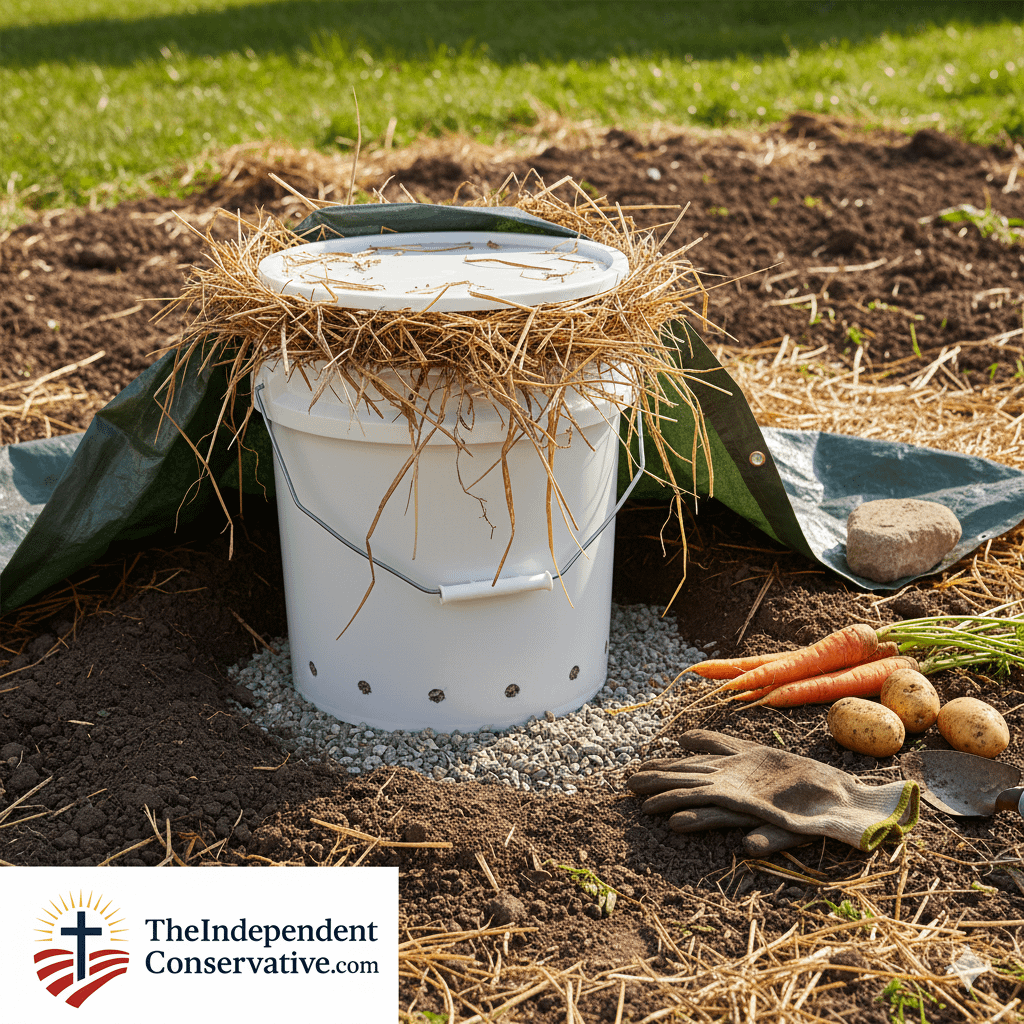
1. The 5-Gallon Bucket This is the perfect entry-level option for small spaces.
- How: Use a food-grade 5-gallon bucket with a snug lid. Drill a few small drainage/ventilation holes near the bottom.
- Install: Dig a hole just large enough for the bucket. Place a layer of gravel at the bottom for drainage, then insert the bucket. The lid should sit at or just below ground level.
- Use: Layer your root vegetables inside with straw or burlap. Cover the lid with a thick layer of straw and a tarp.
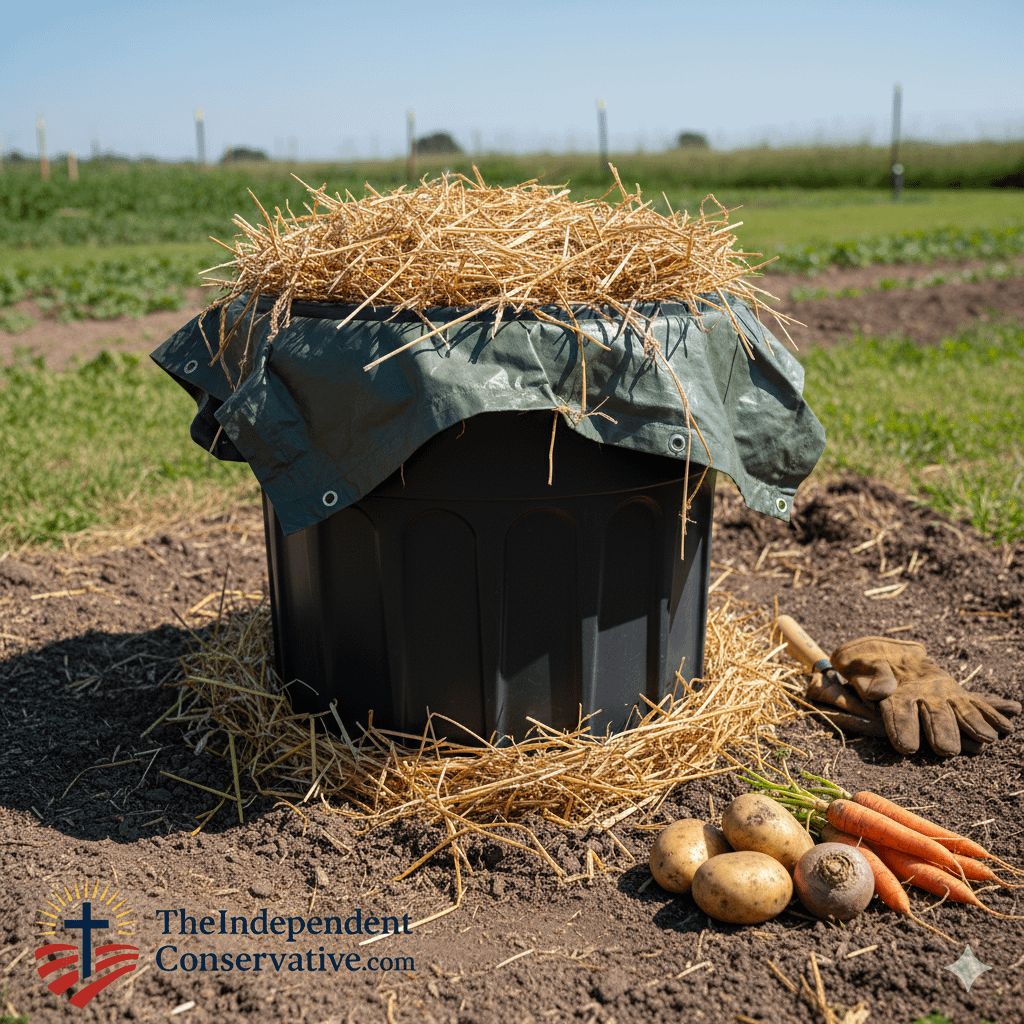
2. The Buried Trash Can This is a step up in volume from the bucket method. A heavy-duty plastic trash can is ideal, as metal will eventually rust.
- How: The process is identical to the bucket. Drill drainage holes in the bottom.
- Install: Dig a hole large enough to submerge the can. Fill in the gaps around the outside with a mix of dirt and straw for insulation.
- Use: Layer your produce inside with straw. Secure the lid, cover it with more straw, and lay a tarp over the top to keep it dry.

3. The Buried Cooler An old insulated cooler provides even better thermal buffering than a simple plastic bin.
- How: Use any rigid foam or thick plastic cooler. You can add louvered vents on opposite sides (one high, one low) to improve airflow.
- Install: Dig a hole deep enough for the cooler’s lid to sit level with the ground. This helps stabilize the internal temperature.
- Use: Pack your produce inside and check it regularly for condensation, as the high insulation can trap moisture.
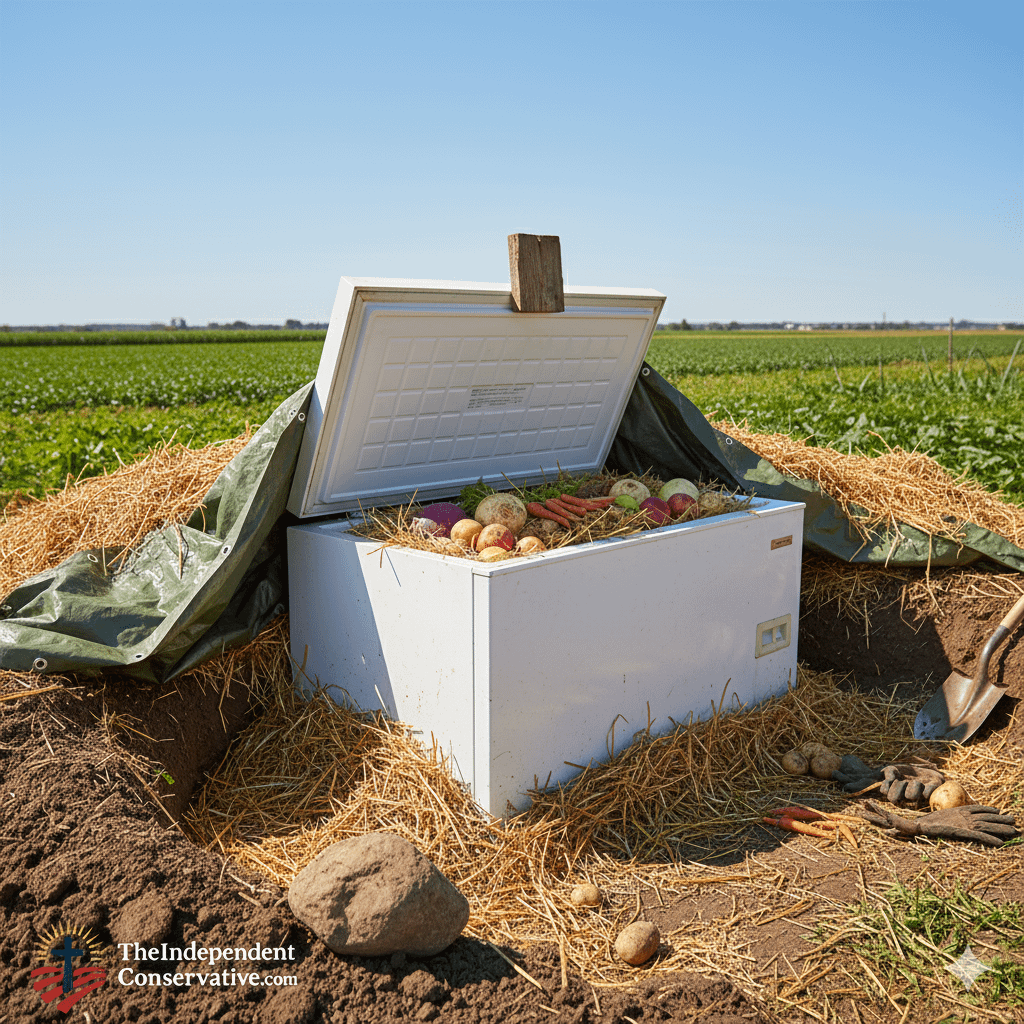
4. The Upcycled Chest Freezer This is the ultimate upcycling project for a large-volume, pre-insulated cellar. A non-functional chest freezer or a refrigerator laid on its back works perfectly.
- How: You’ll need to dig a much larger hole for this.
- Install: Lower the appliance into the hole. Be sure to remove any latches or locks for safety. Prop the door slightly ajar with a block of wood to allow for ventilation, then cover the entire unit with straw and a heavy-duty tarp.
- Use: This method provides a significant amount of storage space. As shown in video tutorials, you can layer produce with straw just like in a traditional cellar.
Group 2 in our Top 10 DIY Root Cellar Ideas: Simple DIY Structures
If you have more space and a larger harvest, these built-in-place methods are excellent weekend projects.
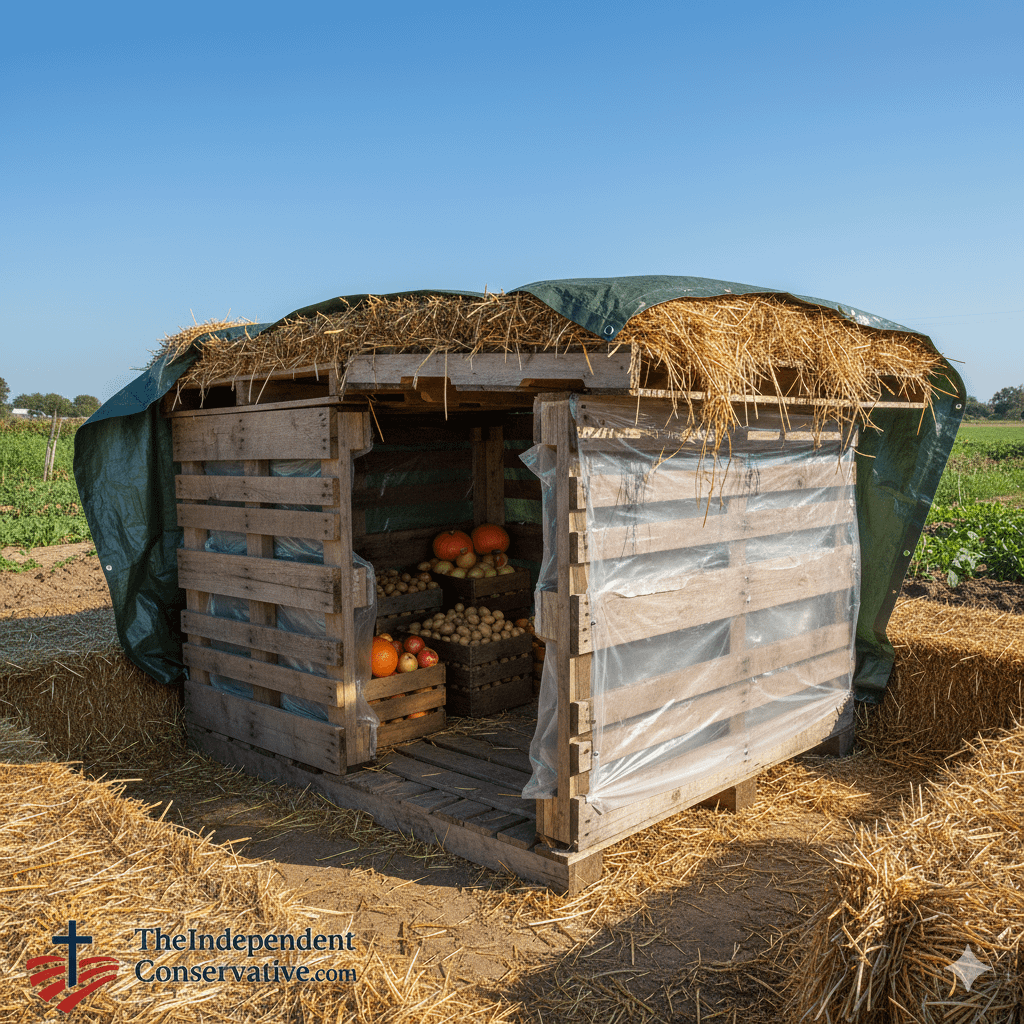
5. The Pallet Root Cellar Many local businesses give away pallets for free. With six to eight pallets, you can build a surprisingly effective cellar.
- How: Dig a shallow hole and lay one pallet flat for the floor. Stand four pallets on their edges to form the walls, and use the remaining pallets for the roof.
- Install: This creates a sturdy 4×4 box. Line the inside with a heavy-duty vapor barrier or plastic sheeting. Pack the outside (between the pallet walls and the earth) with dirt or straw bales for insulation.
- Use: This design can hold dozens of bushels of squash or potatoes and allows for decent air circulation.
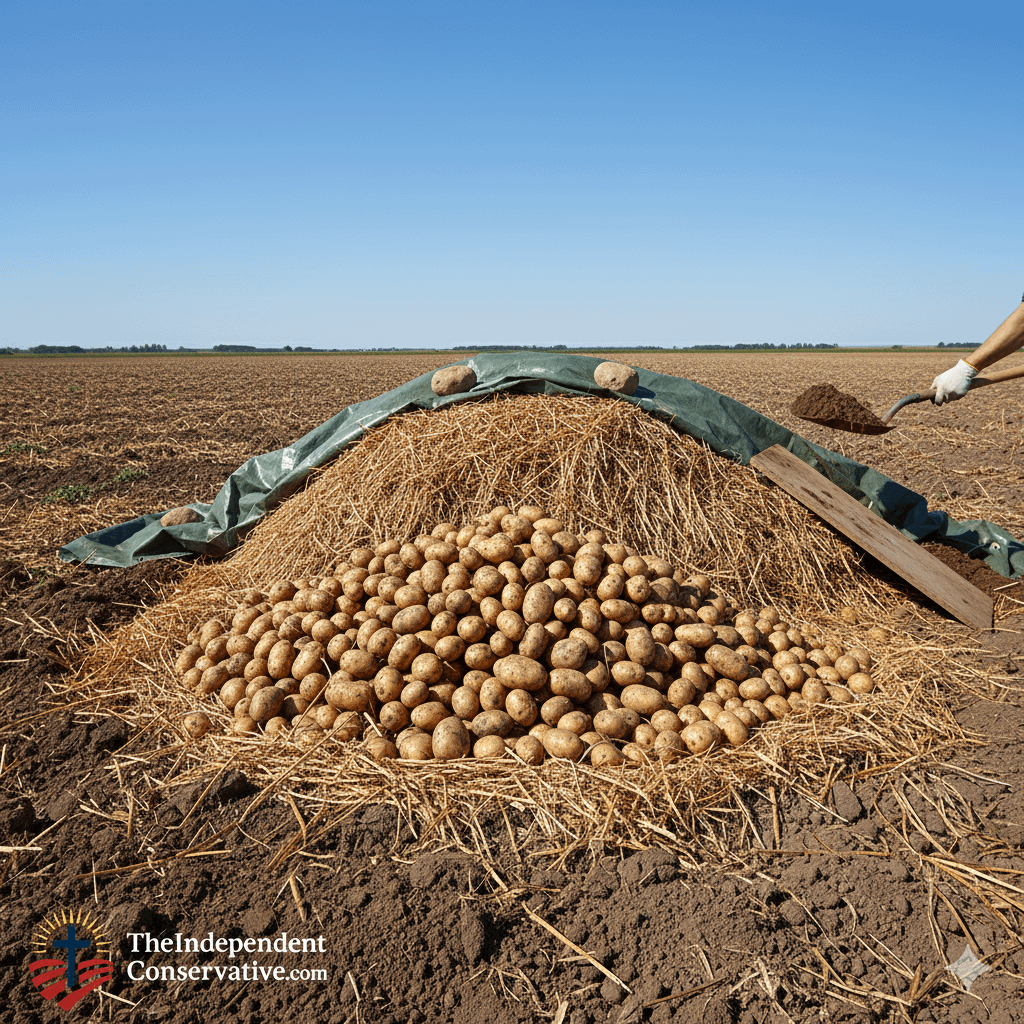
6. The Storage Clamp This is a low-tech, traditional European method that uses the earth itself as the container.
- How: On a level, well-drained patch of ground, dig a shallow pit (about 6-12 inches deep) below the frost line.
- Install: Place a thick layer of straw in the pit. Pile your root vegetables (like potatoes) in a mound on the straw.
- Use: Cover the mound with another thick layer of straw, followed by a layer of soil mounded up over the top. A final tarp or board on top helps shed water and keep pests out.
Group 3 in our Top DIY Root Cellar Ideas: Using Your Existing Assets
You may already have the perfect root cellar location and not even know it.

7. The Unfinished Basements as DIY Root Cellar Ideas: A dark, cool, and unfinished basement is often the ideal spot. It’s already underground and typically stays within a stable temperature range.
- How: Choose the coolest, darkest corner (often the north side).
- Use: Store produce in wooden crates or cardboard boxes on shelves. Don’t place them directly on the concrete floor; use pallets or boards to elevate them and allow air circulation. You can track the conditions with a simple thermometer/hygrometer.

8. The Garage or Shed as DIY Root Cellar Ideas A detached, unheated garage or shed can function as a root cellar, but the key is managing temperature swings.
- How: Find a dark corner away from direct sunlight.
- Use: Elevate your storage bins off the concrete. To buffer against sudden freezes, place jugs of water or sandbags around your crates. This “thermal mass” will absorb heat during the day and release it slowly at night. On very cold nights, you can cover your bins with heavy blankets.
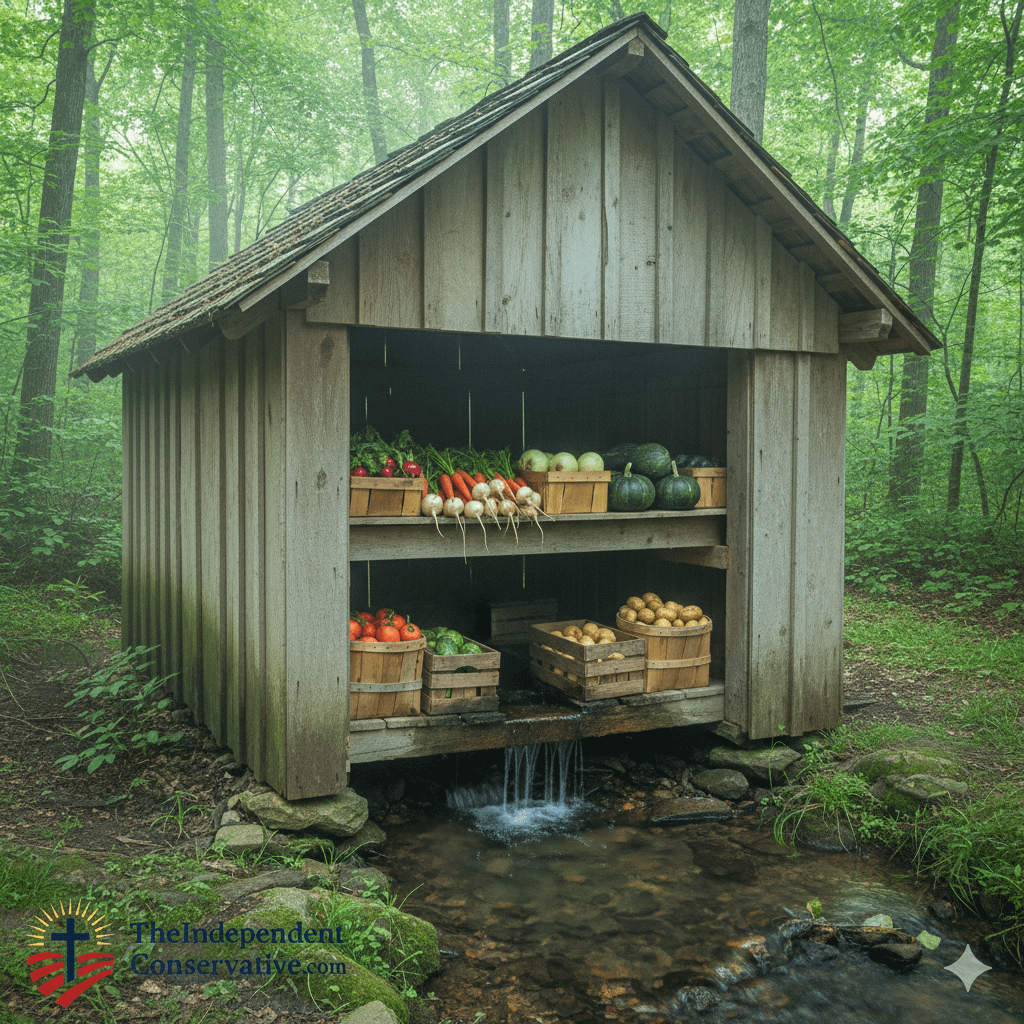
9. The Springhouse: number 9 of our Top DIY Root Cellar Ideas is if you are lucky enough to have a creek, spring, or other natural water source on your property, you have the perfect setup for a springhouse.
- How: This method uses the naturally cool, flowing water (which stays around 50°F year-round) to chill the air.
- Use: Build a small, enclosed structure (like a tiny shed) over the water. The constant cool, humid air creates ideal storage conditions. Place your produce in ventilated crates on shelves above the water, not in it.
Group 4: A Special-Case Solution
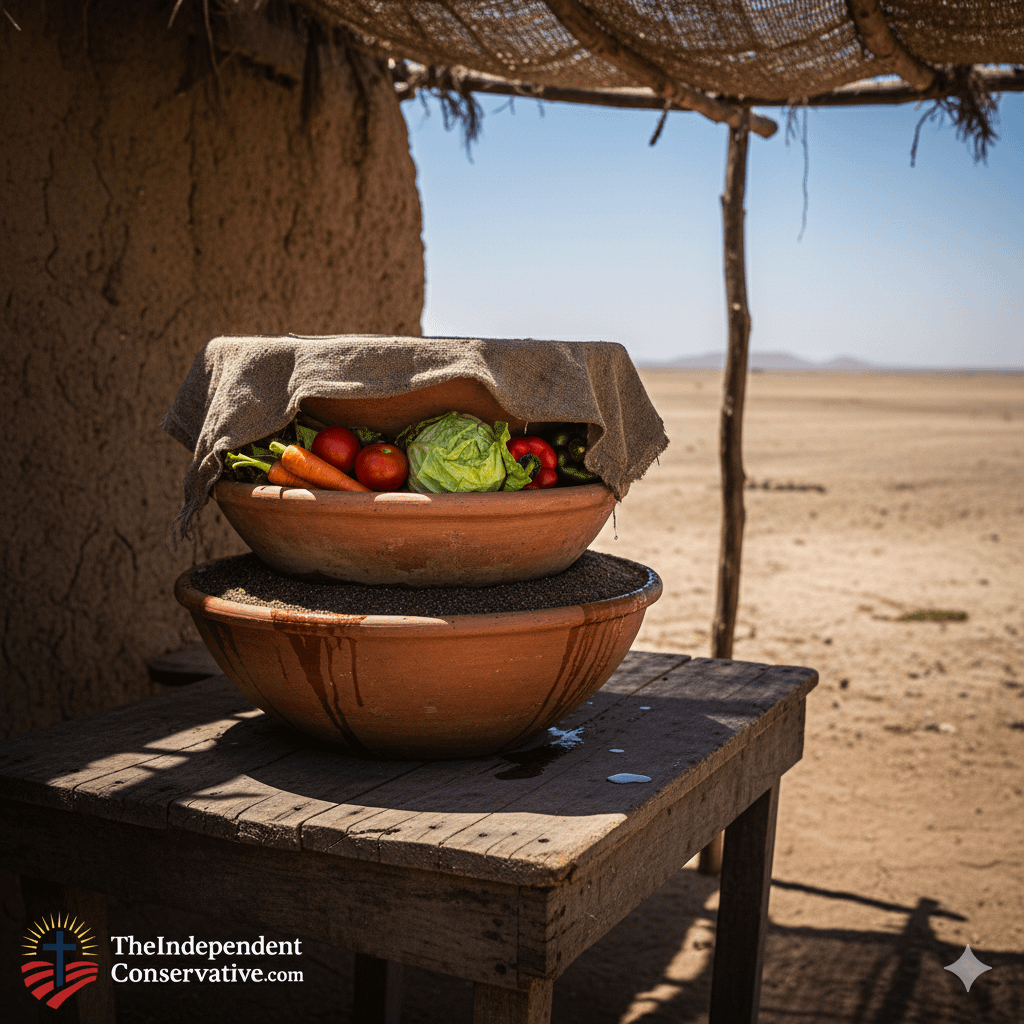
10. The Zeer Pot (Evaporative Cooler) This ancient method isn’t a root cellar in the traditional sense, but it’s a brilliant off-grid “refrigerator” that works best in hot, dry climates.
- How: You need two unglazed clay pots (one smaller than the other) and sand.
- Install: Place the smaller pot inside the larger one. Fill the gap between the two pots with sand.
- Use: Pour water into the sand until it is thoroughly moist. As the water evaporates from the outer pot, it draws heat out, dramatically cooling the inner pot. Place a damp cloth over the top. Keep the pot in a shaded, ventilated area and re-wet the sand daily.
Tips for Long-Term Storage Success
You can’t just “set it and forget it.” A successful harvest requires regular maintenance.
- Check Regularly: Keep the old adage in mind: “One rotten apple spoils the whole barrel.” Check your produce often for any signs of spoilage, mold, or rot, and remove the bad items immediately.
- Prep Your Produce: Only store unblemished, undamaged produce. Nicks and dents will spoil quickly. Gently shake off loose dirt, but do not wash your vegetables before storing them.
- Chill First: If possible, chill your produce in a refrigerator for a few hours before moving it to the cellar. This gives it a head start.
- Location Matters: Choose an accessible location (so you’ll check it often) that is far from large tree roots, high water tables, or septic systems.
- Mark Your Spot: If you use a buried method, mark the location with a durable stake. It’s surprisingly easy to lose under a layer of leaves or snow.
- Monitor Conditions: The ideal root cellar holds a temperature between 32-40°F and 85-95% humidity. An inexpensive thermometer/hygrometer is your most important tool.
For a true deep dive into the science of cold storage, consider reading Root Cellaring: Natural Cold Storage of Fruits & Vegetables by Mike and Nancy Bubel. It’s a classic guide for a reason. You can also check out our online shop for all of your less-lethal self-defense weapons and personal security products needs.


